
Protein-Rich High-Fiber Smoothies for Vegans: Simple Blends and Portable Swaps
Quick summary: A filling vegan smoothie can be built from a plant-based protein anchor, a fruit or vegetable, a fiber-rich ingredient, and enough liquid to blend. Soy milk, soy yogurt, silken tofu, beans, oats, chia, ground flax, and nut or seed butters each play different roles. Start with a familiar combination, adjust the texture gradually, and use product labels for nutrition information because brands vary. If you want a chewable option instead, the same building blocks can become high-fiber vegan wraps or vegetarian wraps with dairy add-ins.
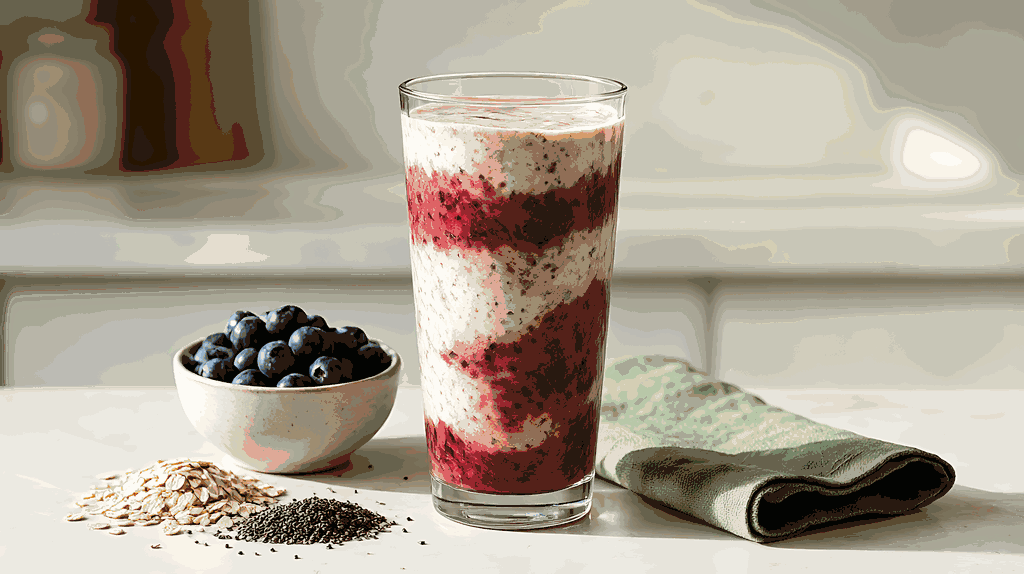
What makes a smoothie protein-rich and high in fiber?
Those descriptions depend on the actual ingredients and serving size, not on the word “smoothie.” Fruit and juice can make a drink taste pleasant, but they do not automatically provide much protein. Likewise, a handful of greens contributes color and micronutrients but may not add the same fiber or protein as beans, oats, seeds, tofu, or a higher-protein soy product. Build the drink around the ingredient you want to anchor it, then add flavor and texture.
These are meal and snack ideas for general nutrition and weight management. They are not a medical diet, a guaranteed weight-loss method, or a universal protein target. Appetite, budget, activity, culture, allergies, and health conditions change what works for an individual. If you have been advised to follow a specific diet, ask your clinician or registered dietitian how to adapt these combinations.
The simple four-part smoothie formula
1. Pick a plant-based protein anchor
Unsweetened soy milk and soy yogurt often contribute more protein than many almond, rice, or coconut drinks, but compare labels instead of relying on the category name. Silken tofu creates a creamy texture with a mild flavor. Cooked, cooled white beans or chickpeas can add body to a fruit smoothie when blended thoroughly. A pea, soy, or mixed-plant protein powder is optional; it may help with convenience, but it is not required. Check the ingredient list for allergens, sweeteners, and serving information.
2. Choose fruit or vegetables for flavor
Frozen berries are convenient and give a thick texture without ice. Banana adds sweetness and creaminess; mango and pineapple create a brighter flavor. Spinach blends into many berry combinations, while cooked and chilled pumpkin or steamed carrot can work with cinnamon and vanilla. Use whole fruit where possible, since juice provides less of the original fruit’s structure and can make it easy to add more sweetness than intended.
3. Add a fiber source that suits your digestion
Oats, chia, ground flaxseed, berries, pears, beans, and some vegetables can contribute fiber. Begin with a modest amount of seeds or oats and increase only if you like the texture and tolerate it comfortably. Too many thickening ingredients at once can turn a drink into paste. If you are increasing fiber in your usual eating pattern, make gradual changes and drink fluids according to your own needs; someone with digestive symptoms or a medical fluid restriction should ask a qualified professional for individualized advice.
4. Adjust flavor and consistency
Use cold water or unsweetened plant milk to thin a blend. Vanilla, cinnamon, cocoa, ginger, citrus zest, or a pinch of salt can round out a flavor. Nut butter, tahini, avocado, and coconut can add richness, but they also change the energy content quickly. Treat them as optional flavor ingredients rather than requirements. Blend the base first, taste it, and then decide whether more sweetness or thickness is needed.
Three easy vegan smoothie recipes
Each recipe makes one generous smoothie or two smaller pours. The quantities are starting points; adjust them to your blender, preferred thickness, and appetite. Nutrition varies by brand and the amount poured, so use package labels if a precise estimate matters to you.
Berry-oat chia smoothie
Ingredients: 1 cup unsweetened soy milk; ¾ cup frozen mixed berries; ¼ cup rolled oats; 1 tablespoon chia seeds; ½ cup plain soy yogurt; optional vanilla or cinnamon.
Method: Add the soy milk first, then yogurt, berries, oats, and chia. Blend until smooth. Let it rest for a few minutes if you prefer the chia to thicken the drink, then add a splash of liquid if it becomes too dense. For a less tart flavor, use a ripe half banana or a few more berries rather than adding a large pour of juice.
Swaps: Use ground flax instead of chia, or replace some berries with a ripe pear. If soy is not suitable, use another fortified plant drink and add a tolerated protein anchor such as silken tofu or a suitable plant protein powder. Check the label because protein content can differ substantially.
Chocolate banana tofu smoothie
Ingredients: ¾ cup silken tofu; ¾ cup unsweetened soy milk; ½ ripe banana; 1 tablespoon unsweetened cocoa; 2 tablespoons rolled oats; optional cinnamon and ice.
Method: Blend the tofu and milk until smooth. Add banana, cocoa, and oats, then blend again. Add ice or cold water to adjust thickness. Taste before adding sweetener; banana and cocoa brands vary, and some cocoa mixes already contain sugar.
Texture note: Silken tofu should blend smoothly, but firm tofu may leave a grainier drink. If the smoothie feels too earthy, add a little vanilla, cinnamon, or a few strawberries. For a different flavor, substitute berries for cocoa and use lemon zest.
Peach-white bean breakfast blend
Ingredients: ½ cup rinsed canned white beans; 1 cup frozen peach slices; ¾ cup unsweetened soy milk; ½ cup plain soy yogurt; 1 tablespoon ground flax; optional ginger or lemon zest.
Method: Rinse and drain the beans well. Blend all ingredients until no bean pieces remain. Add the liquid in stages: start with about half, blend, then add more until pourable. Ginger and lemon zest brighten the peach flavor. If the bean taste is noticeable, use a smaller amount next time or switch to silken tofu.
Why include beans? Beans can add thickness and plant protein while fitting into a whole-food ingredient list. They do not suit every person or every smoothie, so use them only if the flavor and texture work for you. A smoothie made with yogurt, tofu, or another suitable anchor is a perfectly reasonable alternative.
How to make a smoothie more satisfying
A drink can be convenient, but not everyone finds liquid meals as satisfying as food they chew. If a smoothie leaves you hungry soon afterward, serve it alongside toast, a small sandwich, or another food that suits your routine. You can also make the smoothie thicker and eat it with a spoon from a bowl, adding berries or a measured spoonful of seeds on top. The goal is not to make every serving as large or as low-calorie as possible; it is to choose a meal that fits your day.
Consider whether the smoothie is replacing a meal or serving as a snack. A snack-size pour may need less of each ingredient. A breakfast may benefit from a larger protein anchor and a side. If you track nutrition, track the full recipe and the portion poured rather than assigning the entire blender to one serving automatically. If tracking becomes stressful, step back and use simpler visual portions or seek a registered dietitian’s support.
Common smoothie problems and how to fix them
- Too thick: Add water or plant milk a little at a time and blend briefly.
- Too thin: Add frozen fruit, oats, tofu, or a small amount of chia; allow time for seeds to hydrate.
- Too tart: Add ripe banana, peach, or vanilla, or use less citrus.
- Too sweet: Add plain soy yogurt, unsweetened milk, spinach, or a little cocoa; reduce juice and sweetened products next time.
- Gritty: Blend longer, use ground rather than whole seeds, or choose silken tofu instead of beans.
- Foamy: Blend at a lower speed near the end and let the drink stand briefly before pouring.
- Not filling: Increase the protein anchor or pair it with a chewable side rather than simply adding more fruit juice.
When you would rather eat: high-fiber vegan wraps
Smoothies are portable, but they are not the only way to use beans, tofu, vegetables, and seeds. For a high fiber low calorie wrap for vegans, choose a whole-grain or legume-based wrap whose label fits your preferences, spread it with mashed white beans or hummus, then add tofu, shredded cabbage, cucumber, tomato, and herbs. Keep the filling moderate so the wrap closes without tearing. A lemon-tahini dressing or salsa can add flavor; use a small amount first and adjust.
For vegetarians who include dairy, a high protein high fiber wrap can also use cottage cheese or strained yogurt as a sauce, with beans, vegetables, and herbs. Vegan readers can use soy yogurt or mashed beans instead. Wrap labels vary in fiber, protein, and size, so look at the nutrition panel rather than assuming every “high-fiber” or “protein” wrap offers the same amount. This wrap formula is a related chewable alternative, not a smoothie ingredient list in disguise.
Shopping and preparation checklist
Keep a small set of ingredients that can mix and match rather than buying a different specialty item for every recipe. Useful choices include:
- Frozen berries, peaches, or mango; bananas or pears for sweetness.
- Unsweetened soy milk and plain soy yogurt, if suitable for you.
- Silken tofu, canned beans, oats, chia, or ground flax.
- Spinach, cocoa, cinnamon, ginger, vanilla, and citrus for flavor.
- Whole-grain or legume-based wraps, beans, and crunchy vegetables for a chewable option.
Before blending, wash fresh produce, check seals and dates, and rinse canned beans. Add the liquid first to help the blender move ingredients. If preparing ahead, store the smoothie covered and cold, and shake or stir before drinking because separation is normal. For best texture, keep toppings separate until serving. Follow the storage directions for the individual ingredients and do not leave perishable drinks at room temperature for an extended period.
Allergies, substitutions, and individual needs
Soy, nuts, seeds, and some protein powders are common allergens. Read ingredient and cross-contact statements, especially when preparing food for someone else. For a soy-free smoothie, a suitable pea-protein drink, soft tofu substitute, or seed-free alternative may work, but nutrition varies. Avoid a substitute if it conflicts with a diagnosed allergy or clinician-directed diet.
People with kidney disease, gastrointestinal conditions, diabetes, swallowing concerns, or a prescribed fluid or fiber limit may need individualized advice before making smoothies a regular meal. “Plant-based” does not automatically mean appropriate for every medical circumstance. A clinician or registered dietitian can help adapt ingredients and portions without requiring you to guess.
Frequently asked questions
Do I need protein powder to make a vegan smoothie protein-rich?
No. Soy milk, soy yogurt, tofu, and beans can contribute protein. Powder is a convenience option, not a requirement. Compare labels and ingredients if you choose one.
Can I add oats and chia together?
Yes, if you enjoy the texture and tolerate the combination. Start with a smaller amount of each because together they can make a smoothie very thick. Add more liquid after blending rather than trying to fix thickness with extra sweetener.
Are smoothies automatically low calorie?
No. Ingredients such as nut butter, juice, sweetened yogurt, dates, and large portions of oats can raise the energy content. The amount depends on the recipe and serving size. Use labels and portions that match your goals and needs.
Can I make a smoothie the night before?
Often, yes. Store it covered in the refrigerator and shake or stir before drinking. Texture and color may change, particularly with banana, avocado, or seeds. If the smell, appearance, or storage history is questionable, do not consume it.
What if I do not like drinking a meal?
Use the same ingredients in a bowl or wrap. Mash beans with herbs, add tofu or vegetables, and use soy yogurt as a sauce. There is no nutritional rule that says a smoothie is necessary.
Conclusion
Protein-rich high-fiber vegan smoothies are easiest to customize when you choose the protein anchor first, add fruit and fiber gradually, and adjust the liquid last. Try one blend, note what you liked about its taste and texture, and make one change next time. On days when drinking a meal does not appeal, a bean-and-vegetable wrap offers a portable alternative using many of the same pantry staples. Keep portions flexible, respect allergies and medical guidance, and choose the version you can enjoy consistently.